

What’s With the New Executive Order Rescheduling Cannabis?
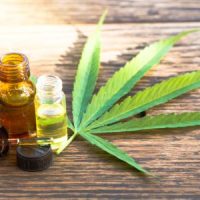
An ecosystem that is home to both an alligator species and a crocodile species is something that happens only in South Florida; most people in the rest of the country are unaware of it. When they visit Florida, they are surprised when, after seeing so many alligators that the sight of them loses its novelty, they see a monstrous gray beast that is somehow uglier and scarier than an alligator lurking in the brackish water. Likewise, executive orders are something that only happens in Washington, D.C. Those of us in parts of the U.S. that elect senators pay these presidential scribblings no mind. A president’s first 100 days in office are usually a flurry of executive orders. The new POTUS drafts an executive order about every campaign promise that drew cheers from the crowd, plus some on obscure matters that only true policy wonks knew existed, and then sees what sticks. An executive order isn’t really a law, but it isn’t not a law, either. These days, the media are abuzz with reports that President Trump is about to sign an executive order that will make even the most stoned Floridians take notice. Here, our Miami drug crimes defense lawyer explains what might change if an executive order changes cannabis from a Schedule I controlled substance to a Schedule III controlled substance.
What Is the Difference Between a Schedule I Controlled Substance and a Schedule III Controlled Substance?
The executive order will likely change the legal status of cannabis from a Schedule I controlled substance to a Schedule III controlled substance, but what do the different drug schedules mean? They are not based on the chemical composition of the drug. For example, we do not have one schedule for central nervous system stimulants, one for central nervous system depressants, one for anti-inflammatory drugs, and so on. Rather, they are based on regulators’ judgments about each drug’s accepted medical uses and its potential for abuse. Schedule I drugs have the highest potential for abuse, but they have no legally acknowledged medical uses. Schedule I includes heroin and MDMA, among other drugs, and also cannabis. Schedule II drugs also have a high potential for abuse, but they are also legally approved for at least one medical treatment, even if they can only be legally administered in hospitals. Fentanyl, amphetamine, and oxycodone are Schedule II controlled substances; so is cocaine, because it can be used topically during eye surgery to prevent bleeding. Schedule III drugs are pharmaceutical drugs where the abuse risk is lower than that of Schedule II drugs but still considerable. Examples of Schedule III controlled substances include ketamine, anabolic steroids, and some drug mixtures that include codeine.
We’ve Been Down This Road Before
If you think you have heard this all before, you are probably right. Anyone who follows cannabis news closely remembers that, for approximately the past decade, presidents and other federal officials have frequently made noises about rescheduling cannabis. In their current state, cannabis laws are so contradictory that they only make sense on a non-Euclidean plane. Federal law says that cannabis is 100 percent verboten, but state laws in Florida and elsewhere say otherwise. Most states have medical cannabis programs that allow for the purchase or personal possession of at least some types of cannabis products. The most priggish of these allow for CBD only, while the most lenient let you grow pot plants in your backyard as long as they are not so tall that they annoy the neighbors. Scheduling cannabis as Schedule III would enable lawmakers to spend less time on verbal gymnastics and treat cannabis like just another pharmaceutical drug, like ketamine.
How Would Rescheduling Cannabis Affect the Economy?
Ending the legal confusion would be reason enough to reschedule cannabis as Schedule III, but the motivations appear to be primarily economic. The manufacturers of Schedules III, IV, and V drugs, as well as of over-the-counter drugs and prescription drugs that are not on the controlled substance schedules, are eligible for tax breaks which are unavailable to the makers of Schedule I and Schedule II drugs. Furthermore, rescheduling cannabis would make it eligible for medical research; despite loopholes to the contrary, it is against the law to conduct research on Schedule I drugs.
Contact Our Criminal Defense Attorneys
A South Florida criminal defense lawyer can help you if you are facing criminal charges for illegal possession or sale of a Schedule III controlled substance. Contact Ratzan & Faccidomo in Miami, Florida for a confidential consultation about your case.
Sources:
cnn.com/2025/12/16/politics/marijuana-rescheduling-executive-order-trump
mjbizdaily.com/whats-next-for-cannabis-president-donald-trump-reschedules-marijuana/